Dry Needling

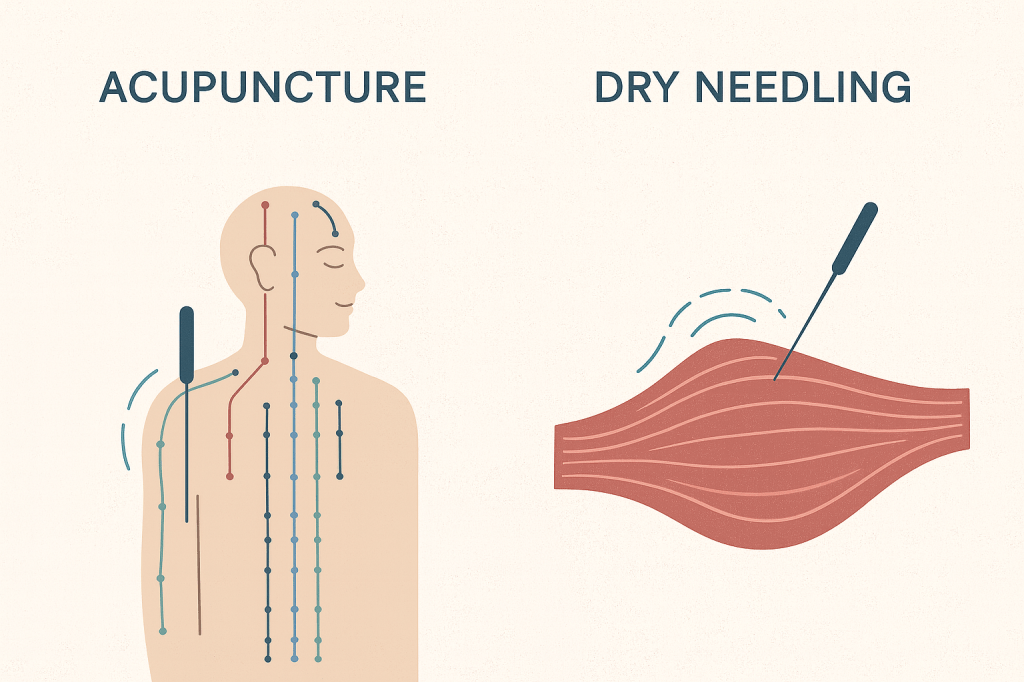
Probably one of the most common questions I get asked is: What do you think of dry needling? Or do you provide dry needling?

It’s a complicated thing to answer because I think there are two valid ways to see it.

The Legal & Scope-of-Practice Angle

As of writing, dry needling is illegal in California, Hawaii, New York, Oregon, and Washington. The essential issue is this: I don’t take a weekend course in chiropractic adjustments and call myself a “dry chiropractor” or “holistic joint manipulator” or something of the sort.

The primary argument against dry needling, as I understand it, is that the requirements for training aren’t stringent enough to ensure safe and effective treatment. Acupuncture licensure includes extensive training for years to make sure we can insert needles into people in ways that are consistently safe and beneficial.

There’s also the financial reality: it’s an encroachment on scope of practice that acupuncturists mostly deal with because they’re under-represented in a lobbying sense in most states.

But That’s Not the Whole Story

All that said, I don’t think the legal debate tells the full truth. I believe it is possible for a physical therapist or chiropractor to put in the time and effort to genuinely perform dry needling in a way that is safe and helpful.

In my clinical opinion, there is something beneficial about specifically targeting muscle tension through trigger points or neuromuscular junctions—without necessarily needing to interpret the more subtle energetic connections that traditional acupuncture focuses on.

Some acupuncturists even take dry needling classes for this reason: to supplement their traditional training with a more Western, physiology-based approach to the body, especially around trigger points and fascial connections. Traditional acupuncture is deeply enmeshed in Chinese herbal theory and an extremely detailed mapping of the energetic body. It’s rich—but it can also be overwhelming when sometimes you just want to get a spasmed muscle to relax.

Do I Do Dry Needling?

When people ask if I do dry needling, I say yes. I’m more than capable of palpating trigger points and treating them. I mainly let people know that I use a more subtle, gentle technique than most dry needlers. I say this based on both my own experience receiving dry needling and the experiences patients share with me.

Dry needling techniques can often be overly aggressive and, at times, can feel re-traumatizing rather than creating a consistently positive healing experience.

My Main Gripe: The “No Pain, No Gain” Mindset

Assuming someone doing dry needling is being safe about it, my real issue is that the intensity of the technique sometimes scares people away from acupuncture altogether. I’ve had many patients tell me they were afraid to try acupuncture because of a previous dry needling experience.

So then I have to educate: while acupuncture can come with some sensation, the intensity is much lower, and many patients feel little to nothing during an effective treatment. It is possible to resolve pain without causing pain.

Where I Land

So that’s my opinion overall. If I had to pick a side, I prefer a generous approach. I’d love to share this practice, and ideally more people would have access to safe, effective treatments to reduce pain.

I’d prefer more training and a shift in perspective—one that considers the nervous system as much as the tissue—so as to avoid treatments that feel like re-injury. But if pressed, I wouldn’t reduce access to acupuncture or to its relatively new Western spin-off: dry needling.

On a Personal Note

Hello there! I’ve been focusing on keeping this blog limited to clinically relevant information, my advice and perspective around healing. This bit below isn’t entirely opposite of that, but the original purpose of the words was fulfilling my desire to share a bit about myself on my social media accounts.

Still, I think it can be helpful sometimes to know who you’ll be talking to in a session, assuming you don’t just start snoozing! I do my best to translate my perspective to fit whoever I’m working with, but the bits below are closest to my unfiltered perspective on people and life.

If you don’t know the folks in the first line, feel free to look them up, both have a pretty strong online presence, and a lot of good talks & writing. Without further ado:


I think my perspective on life is 50% Alain de Botton, and 50% Ram Dass. Half psychology, and half spiritual.

The former essentially says we’re each individually kind of a mess and that’s okay. The latter saying essentially that we’re unified ultimately by an infinitely wise and loving Oneness.

I think either perspective might be hard to take on depending on the person. Of the two I think the psychology is easier to argue, certainly easier to study and prove that we all have various neuroses and coping mechanisms we pick up. We all have our aspects of enduring immaturity and ridiculousness, and yet somehow we muddle through. I think many people make the mistake of thinking they’re uniquely messed up when I think the awareness and willingness to continue to work on oneself is the unique part, not the wounds.

The spiritual side is one I’ve long struggled internally to argue. And I’ve concluded, it’s not something meant for debate. I don’t think there’s any particular words that can beat out a single heart breaking story of life’s horrendously challenging ways.

I think it’s experiences of loss, prayer, meditation, psychedelics, various ways people come to actually touch and connect with this universal Love that changes people in ways that words just can’t adequately convey.

And in that way psychology and spirituality are similar: people have to find the humility to choose to try something different. Usually it’s through significant hardship that people really put in the work to second guess their own viewpoint of the world. And despite however much good intention exists, no one can do that work for someone else.

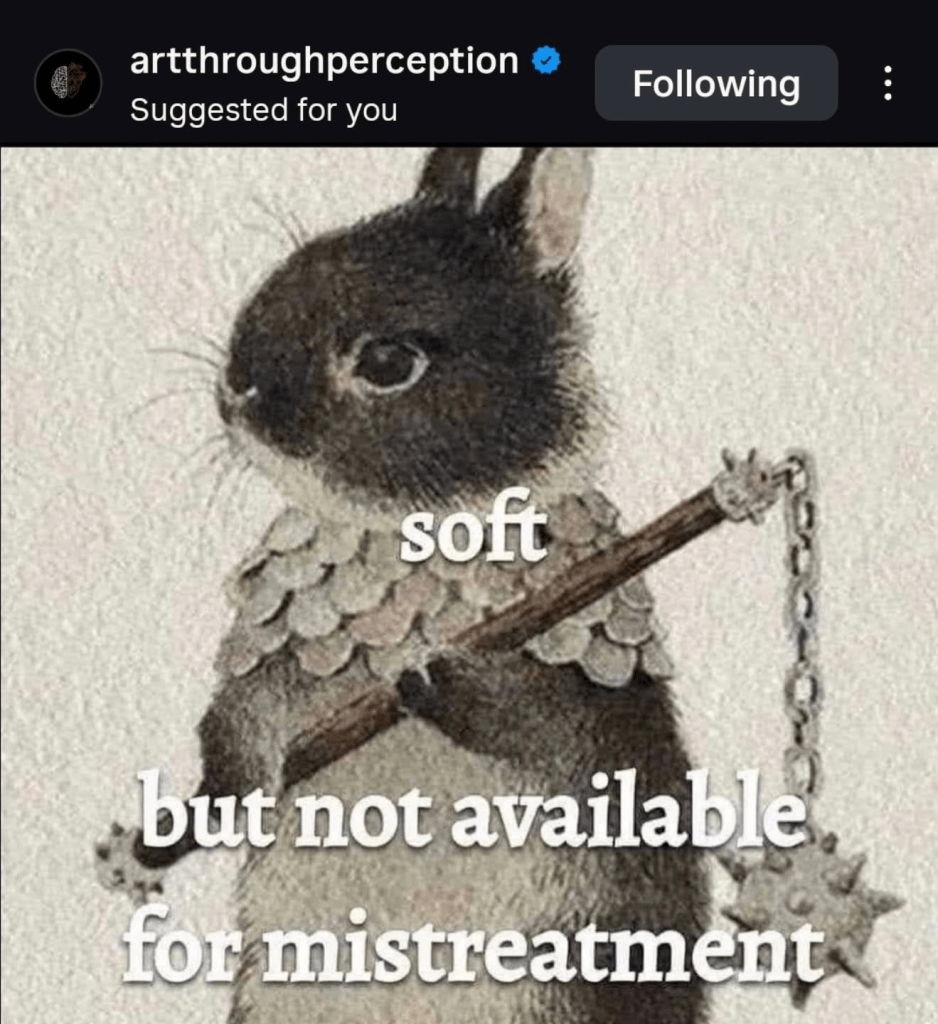
I really like this rabbit, to me it symbolizes vulnerability and boundaries. The capacity to love one’s self enough to protect yourself.

I think its helpful to acknowledge both, that we’re so foundationally all in this together and that life can be confusing and scary and cause people to act unkind and harmful out of ignorance and fear.

So, here’s to all of us, here’s to being kind and loving to ourselves and each other. And to this badass rabbit with a morning star flail thingie. 

The Problem with Energy Work – According to One Energy Worker

The most well-known form of energy work is probably Reiki. But there are many other modalities that could fit under that umbrella — chakra and aura work, muscle testing, sound healing, breathwork, therapeutic qi gong, acupuncture, massage, homeopathy and some types of botanical treatment.

All of these share one central idea: one person seeks to shift or harmonize the energy of another.

And overall, I think these practices can be deeply helpful — in the right context. When someone finds a modality that truly resonates, it can open the door to real healing. In my view, what we often call “spiritual” work overlaps strongly with physiological safety: parasympathetic activation, emotional regulation, and the gentle processing of subconscious trauma.

Good energy work, at its best, helps us step back from who we think we are and see ourselves from a new lens.

But — as promised in the title — the problem is this: energy work is subtle work.
And subtle things are hard to measure.

I’ve met many so-called energy workers who are, frankly, not very good at what they do but believe themselves to be gifted healers. Because the results of energy work are often subjective and difficult to quantify, even the practitioners themselves may not know when they’re truly helping.

That doesn’t make it impossible to measure — just complicated.
And that complexity often gets bypassed by mutual good intentions.

A client wants to be healed.
A practitioner wants to help.
Both want to believe something meaningful happened.

But two people agreeing that something felt good is not a reliable measure of change.

In my opinion, the real challenge lies not in how to measure, but in who can bear to look. To evaluate your impact honestly, you have to face the possibility that you failed — or worse, that you might have unintentionally caused harm. That’s a serious ego check for anyone attached to being “the intuitive healer” or “the gifted empath.”

The attachment to being a great healer or savior is the biggest blocker to realistic self-evaluation.

Stepping back from that attachment helps you grow — both through more accurate self-assessment and through better client feedback. When clients sense that your self-esteem doesn’t depend on being told the treatment was a success, they’re far more likely to be honest about their experience. That honesty is what allows your work to improve.

For a well-trained dancer, graceful, effortless movements are the result of countless mistakes and long, grueling hours of practice. Similarly, effective energy workers must wrestle with uncertainty.

Since the results aren’t easily measured, a dedicated practitioner should be constantly asking: Did I do it right? That doesn’t mean second-guessing yourself mid-session — confidence is part of the art — but reflection afterward is essential. And the clearest sign you’re doing that well is that it feels uncomfortable.

To care deeply about others while consistently acknowledging uncertainty about your own impact is not an easy path. Real healing work demands that you cultivate a big enough inner container to hold both a passion for healing and uncompromising honesty with yourself.

When I reflect on my time at the National University of Natural Medicine, I saw both options firsthand.

The most popular naturopathic doctors and acupuncturists were often charismatic — near cult figures — utterly confident in their brilliance. Yet there were few, if any, consistent measures showing their “subtle” herbal or homeopathic treatments made a real difference.

The doctors who did make measurable improvements in patient outcomes were different. They were humble. Sometimes anxious. They cared enough to doubt themselves. That anxiety wasn’t weakness — it was evidence of integrity. It pushed them to research more, verify their results, and keep growing.

To sum up, energy work is subtle, and subtle work is inherently hard to measure. With outcomes that lack objective assessment metrics, we must rely on our own intuition, honest reflection, and the sometimes inconsistent feedback of clients. I believe the key—beyond years of study, practice, and hopefully quality mentorship—is cultivating a deeper curiosity for truth than attachment to our own sense of self.

It’s an absurdly large chasm between the sense of oneself as either a gifted healer or delusional quack.

“Energy work is subtle, and subtle work is inherently hard to measure. With outcomes that lack objective assessment metrics, we must rely on our own intuition, honest reflection, and the sometimes inconsistent feedback of clients. I believe the key […] is cultivating a deeper curiosity for truth than attachment to our own sense of self.”

That’s the too-long didn’t read version of today’s blog, “the problem with energy work – according to one energy worker”.

As someone who makes their living doing at least in part some form of energy work, obviously I don’t want the baby thrown out with the bath water, but there’s some junk energy work out there. Let’s talk about it.

Go to: DunbarAcu.com/blog to read more.

How does acupuncture work?

For a long time, I had trouble answering this question in my practice—not because I didn’t know, but because there are so many details and effects that it was hard to know where to start.

These days, I tend to compare acupuncture to exercise: I’ll say, “The ‘magic’ lies in how the body responds to a kind of good stress.” And then I’ll share a short sampler of some of the information below.

Everything that follows is from a Western physiological perspective—it doesn’t get into the traditional framework of moving Qi or energy through the body. When someone’s interested in that more energetic lens, I’m happy to talk about promoting flow and balance in as much or as little detail as they’d like. But for those who prefer a scientific explanation, here’s your answer:


Acupuncture’s mechanisms of action are multifaceted, involving both physiological and neurological pathways. While the full picture is still being refined, research across neurobiology, endocrinology, and immunology has identified several overlapping mechanisms that explain how acupuncture can produce analgesic, anti-inflammatory, and regulatory effects.

Here’s a clear breakdown of the major mechanisms of action:


🧠 1. Neurotransmitter and Neuromodulator Release

Acupuncture stimulates peripheral sensory nerves (especially Aδ and C fibers), leading to activation of the spinal cord and brain regions that modulate pain and emotion. This results in the release of several key neurochemicals:

  • Endorphins, enkephalins, dynorphins: endogenous opioids that reduce pain perception.
  • Serotonin and norepinephrine: involved in mood regulation and descending pain inhibition.
  • GABA and glutamate modulation: balancing excitatory/inhibitory signals in the nervous system.
  • Adenosine: increases locally, providing anti-inflammatory and analgesic effects.

🧩 Result: Reduced pain, relaxation, and modulation of mood and stress.


⚡ 2. Activation of the Gate Control Mechanism (Spinal Level)

Acupuncture can influence pain signaling at the spinal cord level:

  • Stimulated Aβ fibers inhibit pain transmission from C fibers (the “gate control theory”).
  • This dampens nociceptive (pain) signals before they reach higher brain centers.

🧩 Result: Decreased pain transmission and heightened threshold for pain perception.


🧬 3. Modulation of the Autonomic Nervous System (ANS)

Acupuncture appears to rebalance sympathetic and parasympathetic activity:

  • Reduces sympathetic overactivity (which is linked to stress, hypertension, and inflammation).
  • Enhances parasympathetic tone, promoting rest, digestion, and recovery.

🧩 Result: Lower heart rate and blood pressure, improved digestion, and stress reduction.


🔥 4. Anti-inflammatory and Immune Regulation

Acupuncture modulates immune cell activity and cytokine production:

  • Decreases pro-inflammatory cytokines like IL-1β, IL-6, TNF-α.
  • Increases anti-inflammatory mediators like IL-10.
  • Stimulates the hypothalamic-pituitary-adrenal (HPA) axis, influencing cortisol release and immune modulation.

🧩 Result: Reduced inflammation, improved healing, and immune balance.


🩸 5. Improved Local Circulation and Tissue Healing

Needle insertion causes a mild microtrauma that:

  • Increases local blood flow and oxygenation.
  • Enhances removal of metabolic waste products.
  • Promotes release of growth factors and nitric oxide.

🧩 Result: Faster tissue repair, muscle relaxation, and pain relief.


🧘 6. Central Nervous System Integration

Functional MRI studies show acupuncture activates or deactivates specific brain regions:

  • Activated: hypothalamus, periaqueductal gray, anterior cingulate cortex.
  • Deactivated: limbic structures involved in fear and pain perception (like the amygdala).

🧩 Result: Central modulation of pain, emotion, and homeostatic regulation.


🪶 7. Placebo and Expectation Effects

Although not the whole story, expectation and context play a measurable role:

  • Belief and relaxation during acupuncture can engage prefrontal and limbic systems.
  • These in turn activate real biochemical and autonomic responses.

🧩 Result: Enhanced therapeutic outcome through psychobiological synergy.


🧩 Summary Table

MechanismPrimary PathwayKey Effects
Neurochemical releaseCNS + spinalAnalgesia, relaxation
Gate control theorySpinalInhibits pain transmission
Autonomic modulationANSReduces stress, balances organs
Immune regulationCytokines, HPA axisAnti-inflammatory
Local effectsMicrocirculationTissue repair, pain relief
CNS network effectsBrain regionsPain and emotional regulation
Placebo/expectancyPsychobiologicalAmplified healing response

Where to Start in Healing: Naturopathic Therapeutic Order

Today’s blog post is a little deep dive into my thought process as influenced by my Naturopathic Doctorate. While there’s a place and a purpose for every part of the pyramid, ideally in non-emergency conditions, the foundational aspects of health are addressed first and indefinitely.

While there’s different wording in my infographic vs chart below, essentially that baseline level is ideally removing whatever obstacle is interfering with the body naturally healing itself. This could be stress, insomnia, or continuing to do intense yard work when your forearms are very adamantly and persistently telling you to take a break (not to call you out Mom).

For many people, there’s things we keep repeatedly being exposed to that keep the dis-ease, pain, suffering, tension, etc. coming back. We might be ignoring our body’s signals to move differently, perhaps ignoring our hearts’ signals to change how we’re working/living, letting our emotions overly affect our diet, and whatever else we’re more attached to than feeling good in our bodymind. This is the best place to focus our efforts for lasting healing.

Certainly more targeted interventions can be necessary, and helpful for starting down a new path, but if the foundational needs for safety and rest aren’t being addressed, problems will keep cropping up no matter how many times we use targeted interventions to keep them at bay.

Feel free to read a bit more below regarding the tiers of intervention and a few notes about how doctors might use this information in practice.

LevelFocus / GoalTypical Interventions or Strategies
1. Remove Obstacles to Health (Remove Obstacles to Cure)Identify and eliminate factors that impair the body’s ability to healDiet & lifestyle changes, reducing toxic exposures, improving sleep, stress reduction, removing emotional/psychological barriers, correcting digestion, eliminating unhelpful habits 2
2. Stimulate the Healing Process (Vis Medicatrix Naturae)Support and prime the body’s innate self-healing forcesGentle therapies: hydrotherapy, nutrition, mild botanical remedies, exposure to nature, energetic modalities, light exercise 3
3. Strengthen Weakened SystemsBuild resilience and capacity in physiological systemsNutritional support, adaptogens, detoxification, supporting liver, immune system, hormonal regulation, antioxidants, lifestyle & restoration measures 4
4. Correct Structural IntegrityRestore proper alignment, mechanical function, and circulationPhysical medicine: chiropractic, osteopathy, massage, postural correction, ergonomics, movement therapies 5
5. Use Natural, Targeted TherapiesWhen necessary, apply more specific natural agents to address pathologyHerbal medicine, specific nutraceuticals, botanicals, other therapies selected for a given condition 6
6. Use Pharmacologic or Synthetic AgentsIn cases where gentler methods are insufficient, use stronger toolsPharmaceuticals, medications, more potent interventions (where within scope/licensing) 7
7. Use Invasive / Surgical / Life-Saving InterventionsThe most forceful or invasive options, when essentialSurgery, radiation, hospitalization, advanced medical interventions, when no less invasive option suffices 8

Notes & caveats

  • The order is not rigid. A patient’s condition may require “jumping” to a higher level sooner (for instance, in emergencies) or combining levels concurrently. 9
  • The principle behind this is to use the least force necessary to achieve healing, minimizing potential harm or side effects. AANMC 10
  • The first step—removing obstacles—is foundational: without clearing the blockages (diet, toxins, stress, structural impediments, etc.), further therapies may be less effective. 11
  • In practice, a naturopath may blend different steps: e.g. they might remove obstacles, stimulate healing, and support weakened systems in parallel, then escalate if needed.

The Perception of Safety: Polyvagal Theory, Trauma, and Healing

Polyvagal Theory

Polyvagal Theory is a framework developed by Dr. Stephen Porges that explains how our autonomic nervous system (ANS) responds to stress, safety, and social connection. It builds on the traditional “fight-or-flight” understanding of the nervous system, but adds a more nuanced view of how our bodies regulate states of arousal and safety.


Core Idea

The ANS isn’t just binary (on/off, stressed/relaxed). Instead, it has three main pathways, each linked to the vagus nerve (hence poly–many, vagal–vagus nerve):

1. Ventral Vagal System (Social Engagement State):

  • Activated when we feel safe.
  • Supports calm, connected, socially engaged behavior.
  • Regulates facial expressions, vocal tone, listening, and emotional attunement.
  • This is the “rest and connect” mode.

2. Sympathetic Nervous System (Mobilization / Fight-or-Flight):

  • Activated when we sense danger or threat.
  • Increases heart rate, adrenaline, and readiness for action.
  • Useful for escaping or defending against threats.
  • This is the “action under stress” mode.

3. Dorsal Vagal System (Shutdown / Immobilization):

  • Activated under extreme threat or when escape isn’t possible.
  • Can lead to collapse, freeze, dissociation, numbness, or withdrawal.
  • This is the “shutdown” or “conservation” mode.

The Hierarchy

  • The nervous system typically tries ventral vagal first (social connection and safety).
  • If safety cues fail, it shifts into sympathetic fight-or-flight.
  • If that doesn’t resolve the threat, it can default into dorsal vagal shutdown.

This hierarchy helps explain why people under stress might become hyper-reactive, avoidant, or even “numb out.”


Neuroception

Porges introduced the concept of neuroception — our nervous system’s unconscious scanning for cues of safety, danger, or life-threat. It happens below awareness, shaping our state before we even consciously interpret the situation.


Applications

  • Trauma Therapy: Helps explain why trauma survivors may freeze, dissociate, or struggle with connection.
  • Clinical Practices: Therapists use polyvagal-informed techniques (breathwork, safe touch, prosody in voice, co-regulation) to help clients move back toward ventral vagal states.
  • Everyday Life: It helps us understand patterns like why stress makes us withdraw, why social connection soothes us, and why safety is essential for healing.

The Effects of Trauma

Trauma can condition the nervous system to prioritize survival responses over connection, changing which vagal pathway gets activated and how easily someone can return to ventral vagal safety. Here’s how it often shows up:


A. Ventral Vagal (Safety & Social Engagement)

  • Without Trauma: People can fluidly return here after stress. They feel safe enough to connect, self-soothe, and co-regulate with others.
  • With Trauma: The ventral vagal “baseline” often weakens. Safety cues may not register as safe—eye contact, gentle touch, or even quiet moments might feel threatening. People may mistrust closeness or stay guarded, making it harder to feel grounded in calm connection.

B. Sympathetic (Mobilization: Fight or Flight)

  • Without Trauma: Stress triggers short bursts of fight-or-flight, then the body resets once the danger passes.
  • With Trauma: The system can become hypersensitive. Everyday challenges feel like threats, leading to chronic anxiety, hypervigilance, irritability, or restlessness. The nervous system “jumps” into sympathetic activation and may struggle to downshift.

C. Dorsal Vagal (Shutdown, Freeze, Dissociation)

  • Without Trauma: This only kicks in under overwhelming threat (like fainting, collapsing, or “playing dead” in nature).
  • With Trauma: The dorsal pathway can become more easily activated. People may dissociate, feel numb, “check out,” or struggle with energy and motivation—even in situations that aren’t life-threatening. This is especially common with chronic trauma or when fight/flight felt impossible or unsafe.

Trauma’s Lasting Imprint

  • Rigidity of Response: Trauma makes the nervous system less flexible—people can get “stuck” in sympathetic arousal or dorsal shutdown rather than cycling smoothly back to ventral vagal calm.
  • Distorted Neuroception: The unconscious scanning system becomes biased toward perceiving threat. Even neutral or safe situations can feel unsafe.
  • Fragmented Regulation: Someone might swing between hyperarousal (sympathetic) and hypoarousal (dorsal) without ever settling into ventral vagal connection.

Healing Implications

  • Restoring access to the ventral vagal state is central to trauma recovery.
  • Practices like safe social connection, attuned therapy, breathwork, grounding, gentle movement, and co-regulation with trusted others help re-train the nervous system to recognize safety and reestablish flexibility across all states.
  • On a daily level, even small routines—a consistent safe space, regular grounding practices, and reliable rhythms—can serve as anchors that remind the body it can return to safety.

Healing is a gradual process that asks for patience, repetition, and courage—but with consistent care, our nervous system can learn to trust safety again and the world itself can begin to feel less threatening, more genuinely safe.

Generated image

Qi Gong and the Egg Timer: How to Keep Healing Between Treatments

“As long as you are awake, you can be mindful.
All it takes is wanting to and remembering
to bring your attention into the present moment.”

— Jon Kabat-Zinn


So you’re getting regular bodywork… but the aches keep coming back?

The problem isn’t you. The problem is the economy. More specifically: hours hunched over a desk, eyes locked on a screen, posture slowly folding in on itself.

Even with good treatments, your body is up against a daily tide of stress, static positions and repetitive movement. Both our body and our mind calcify into the same painful patterns unless we consistently make intentional efforts to shift them.


Enter: the hourly reset

I often suggest patients set a simple alarm every hour. When it goes off, it’s your cue to:

  • Best: Get up, walk around, shake it out.
  • Good: Take 1–3 deep, conscious breaths before diving back in.
  • At least: Notice your body. Are your shoulders creeping up toward your ears? How’s your neck doing?

Qi Gong shaking (a favorite)

Qi Gong has a simple, joyful reset:

  1. Rise up on your toes.
  2. Drop down and let your whole body shake.
  3. Add sound if you want—hum, sigh, or let out whatever noise you want!

It’s about moving energy, loosening tension, and resetting your nervous system.

Alternatively, just put on a song and dance it out.


Why it matters

Your body and nervous system both need regular resets, especially if you’re doing stressful or intense work. These micro-pauses are huge for shifting the pattern of stress solidifying into recalcitrant habits of tension. Without body mindfulness and consistent movement, even the best therapeutic treatment is just a temporary fix.


Conclusion

If you’re investing in regular treatments but not feeling lasting progress, don’t give up. Try adding micro-resets: mindful movement, a shake, or even just one intentional breath each hour.

Because mindfulness is magic and movement is medicine.

PTSD, Healing & Happy Tears

Crying at the Happy Ending

“Crying at the Happy Ending” is an article by psychoanalyst Joseph Weiss (1952), popularized in Michael Bader’s 2014 article on Psychology Today. Its a powerful piece that explores why, even in the context of watching a movie, we often wait until a resolution to let ourselves feel—and cry.

The core idea is:

  • During the tension or crisis, our nervous system is in survival mode—fight, flight, freeze—so we suppress emotions to stay focused and safe.
  • Once the conflict resolves, we subconsciously perceive safety, and emotions we’ve been holding back—sadness, relief—can finally surface. That release often comes as tears at the happy ending.

Studies and later commentary support this “safety-signal” theory. A neuroscientific review explains that safety signals—learned cues predicting the absence of threat—actively inhibit fear and stress responses in humans and animals. In conditions like PTSD, this safety learning is often impaired, making it difficult to shift out of fear mode (Hamm & Jentsch, 2012).

This idea of emotional release being tied to a sense of safety? It’s not just emotional—it’s physiological. Let’s talk nervous system…


The Body Keeps the Score

As Bessel van der Kolk wrote in The Body Keeps the Score, trauma and chronic stress don’t just live in the mind. They live in the body.

Muscles clench. Breathing gets shallow. The gut stops working smoothly.
We might “move on” intellectually, but the body hasn’t gotten the memo.
Why? Because safety isn’t an idea. It’s a felt experience.

And until the body believes it’s safe, it won’t let go—of tension, pain, or emotion.


This Is the Core of My Work

In my opinion, my #1 priority in the clinic is to create space for my patients to experience a parasympathetic, relaxed sense of safety.

I will often tell my patients, “I take all snoring and drooling as compliments”. And many patients do fall asleep during massage, acupuncture, or cupping treatments.

Sometimes my patients feel more comfortable talking about their lives rather than hitting snooze, and I think that can be helpful as well. The combination of nervous system ease, physical comfort, and open conversation creates a potent cocktail for healing—one that includes both mind and body.

When things get complicated, I return to what I believe is most essential in healing—and in both my personal and professional experience, safety is key.

All Are Welcome Here: A Safe Space for LGBTQ+ Clients

“Be grateful for whoever comes,
because each has been sent
as a guide from beyond.”

—Rumi, The Guest House

I’ve been surprised—and honestly, really touched—to hear how many of my new patients say they’ve read my blog posts. It makes me happy to know I can start connecting and helping even before someone walks through the door.

I can be a fairly introverted guy myself, and I get how reassuring it is to get a feel for the person you’ll be trusting with your care before ever stepping into the room.

That’s especially true for folks in the LGBTQ+ community. Nearly everyone I’ve met from that community has, in some way, experienced moments of unsafety and bias. So it makes sense that there’s an extra layer of challenge when taking that vulnerable first step toward care.

It might seem like a surprising connection, but many of the veterans I work with have confided in me that they’ve felt pre-judged as well. They’ve felt like people were responding more to preconceived notions of a veteran—or to their tattoos, or something surface-level rather than seeing them for who they really are as people.

I’m tearing up just writing this because I think in regards to either community, its a really important part of the work that I try to do. I want to always seek to set aside my own potential biases, my own knee-jerk reactions, and instead be present with and get to know whoever shows up to my practice.

As a healer, that matters. It matters that I take the time to understand and really connect with each person that comes in. It matters that I come to understand the context of their lives rather than simply focus on their diagnosis. While I’m not a licensed therapist (and I’m always transparent about that), I do believe that emotional safety is as essential to healing as physical safety.

I’m not perfect, but I take this safety as a sacred duty. Every person who comes into my practice deserves to be cared for as a whole person, and if nothing else, I do my best to make space for whatever that entails.

If you’ve ever felt nervous about trying acupuncture, massage, or just showing up somewhere new, I hope this helps. I promise that, whoever you are, I’ll do my best to meet you with patience, presence, and care. Everyone is welcome.

More Than Relaxation: How Massage Supports Whole-Body Health

Most people know massage feels good. What fewer realize—especially here in the U.S.—is how much real, measurable benefit it can have on your health. In places like Norway or much of Western Europe, massage is often seen as a regular part of staying well, not just an occasional treat. But in America, it’s still mostly viewed as a luxury or indulgence. The reality? Massage can help with chronic pain, poor sleep, anxiety, and even immune function. If you’ve ever walked away from a session feeling clearer, calmer, or more at home in your body, that wasn’t just in your head. There’s solid research behind those effects—and for a lot of people, massage is more than relaxation. It’s part of how they stay healthy.


1. Reduces Stress and Lowers Cortisol
Massage therapy has been shown to significantly reduce cortisol levels and increase serotonin and dopamine.

[Field, 2005 – Int J Neurosci]
[Rapaport et al., 2010 – J Altern Complement Med]

2. Alleviates Muscle Tension and Improves Range of Motion
Regular massage decreases muscle stiffness and improves joint flexibility, supporting athletic recovery and injury prevention.

[Weerapong et al., 2005 – Sports Med]

3. Improves Sleep Quality
Massage has been shown to improve both the depth and duration of sleep, including an increase in delta wave activity—the kind linked to deep, restorative rest.

[Richards et al., 2000 – J Clin Rheumatol]
[Field et al., 1998 – Early Hum Dev]

4. Reduces Pain—Both Acute and Chronic
Massage can reduce chronic low back pain, neck pain, fibromyalgia symptoms, and postoperative pain.

[Furlan et al., 2008 – Cochrane Review]
[Moyer et al., 2004 – Pain Med]

5. Supports Mental Health: Anxiety & Depression
Massage therapy can reduce symptoms of anxiety and depression, likely via nervous system regulation and oxytocin release.

[Moyer et al., 2004 – Psychol Bull]
[Field et al., 1996 – Int J Neurosci]

6. Boosts Immune Function
Massage may enhance immune markers like natural killer cells and lymphocyte count—particularly helpful in people under stress.

[Field et al., 2005 – J Altern Complement Med]


Final Thoughts
Whether you’re in pain, managing stress, or simply trying to stay well, massage therapy can be a valuable part of your routine. For anyone looking to prioritize feeling better, massage is a surprisingly prudent choice as a regular therapy.